
- Головна/
- Publications/
- Are Illegal Logging Operations More Profitable Than Legal Ones?
Are Illegal Logging Operations More Profitable Than Legal Ones?
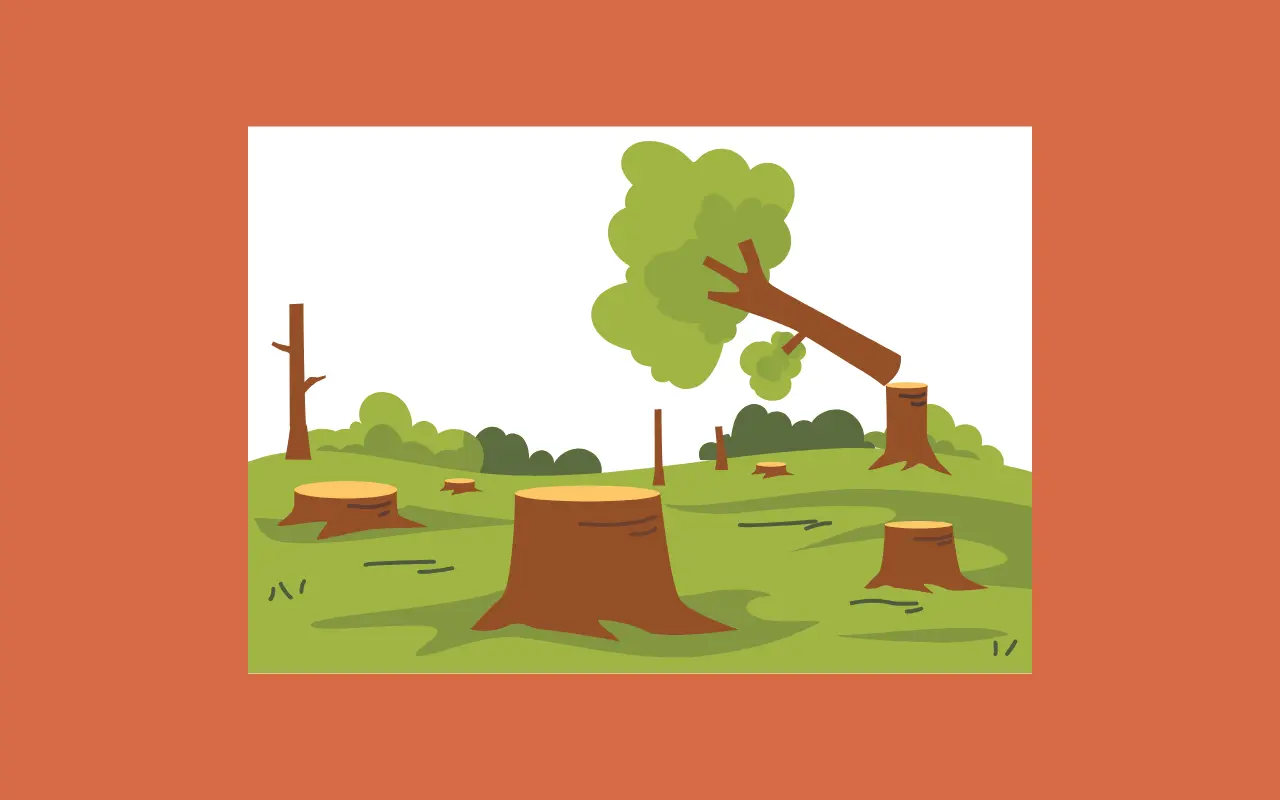
Ukraine loses thousands of trees every year due to illegal logging. The state records violations, calculates hundreds of millions of hryvnias in environmental damages, and opens criminal proceedings — yet only a small fraction of these amounts is ever recovered. The very system designed to protect forests is increasingly demonstrating its own ineffectiveness.
An analysis of Ukraine’s system of civil liability for illegal logging shows that the problem lies not only in poaching or corruption. The issue is rooted in the liability model itself, which no longer reflects economic realities and fails to deter offenders.
The Constitution of Ukraine explicitly obliges everyone to compensate for environmental damage. In cases of illegal logging, this means compensating the state according to special “tariffs” — fixed compensation rates approved by the Cabinet of Ministers. Formally, the system exists. In practice, however, it is becoming less and less effective.
Even after fines or criminal convictions, offenders often avoid actual compensation for the damage caused.
The figures are telling:
• in 2022, approximately UAH 186.7 million in damages was assessed, but only UAH 9.2 million was actually recovered — around 5%;
• in 2023, nearly UAH 580 million in damages was assessed, while compensation amounted to only UAH 14.4 million — about 2.5%;
• in 2024, assessed damages reached UAH 817–1,090 million, whereas only UAH 13–38 million was recovered — just 1.6–3.5%.
In effect, the state acknowledges the scale of the losses but remains unable to ensure real accountability.
Illegal logging takes many forms — from individuals cutting trees for firewood without authorization to sophisticated schemes involving forestry officials. Criminal cases document situations in which valuable trees were secretly marked and harvested off the books, while stumps were concealed by burning them, covering them with soil, or cutting them below ground level. Such actions point not to accidental mistakes, but to deliberate attempts to conceal a crime.
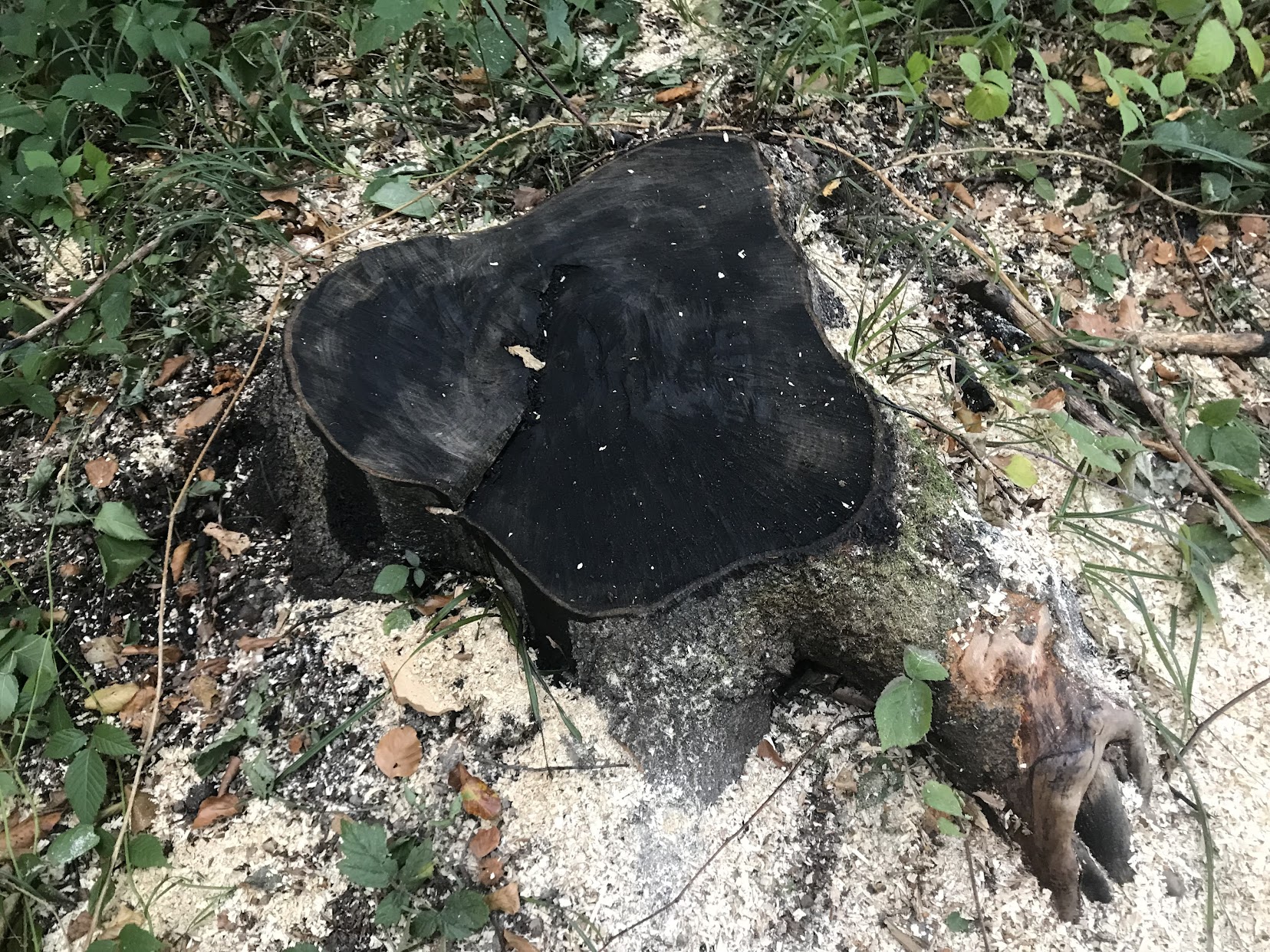
However, even when violations are proven, the compensation system itself often appears absurd. Today, the same compensation rates apply both to an individual who illegally cuts down a tree and to a state forestry enterprise that has spent years investing resources in growing and protecting that forest. As a result, the enterprise effectively pays twice — for the loss of the forest itself and again through compensation payments to the state.
Another major problem is the complete lack of a regional approach. Reforestation in steppe regions is far more expensive than in Polissia, where forest ecosystems regenerate naturally. Yet the current compensation rates do not account for these differences.
The situation is particularly striking when it comes to valuable tree species. In 2025, the market value of oak timber reaches up to UAH 90,000 per cubic meter. At the same time, compensation for the illegal felling of one large oak tree amounts to only around UAH 26,000–28,000. In other words, illegally cutting down an oak tree may be economically more profitable than harvesting it legally. Additional confusion is created by three separate government resolutions regulating compensation for ordinary forests, protected areas, and Red Book species. These regulations are so poorly aligned that compensation for cutting down a tree in a protected area may be 8–9 times higher than compensation for destroying a Red Book species.
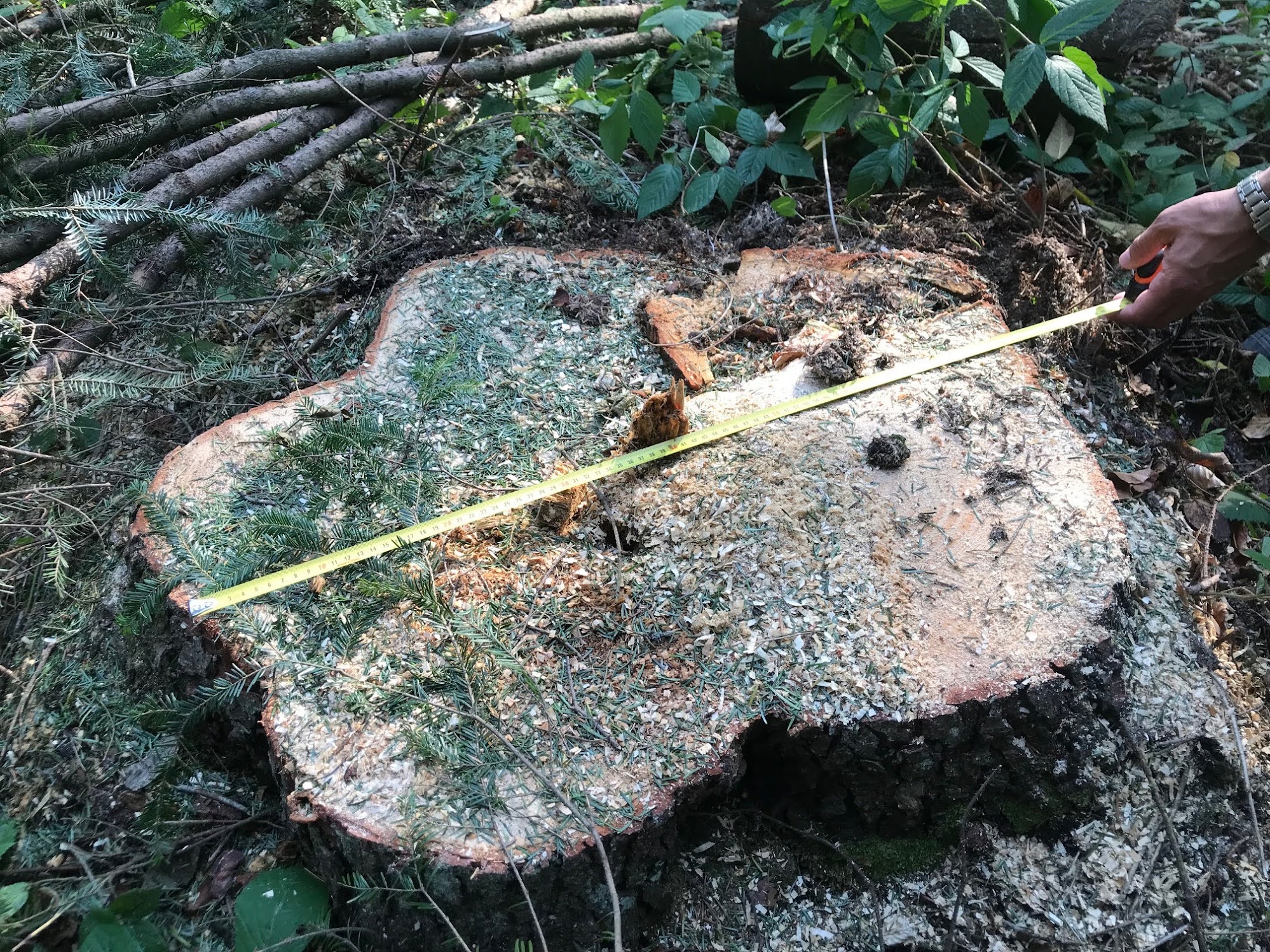
All of this creates a system in which liability often appears arbitrary, unfair, and disconnected from the real value of natural resources. This is precisely why the system requires not cosmetic adjustments, but comprehensive reform.
We propose replacing the current Cabinet of Ministers Resolution No. 665 with a new regulatory framework introducing differentiated compensation rates based on: who carried out the logging, the region where it occurred, and the species of trees affected. Rates for steppe regions and valuable species — especially oak — should be substantially higher, while lower rates should apply to invasive species.
We also propose establishing a single legal definition of “illegal logging” and excluding cases involving purely formal violations of permit deadlines where no actual environmental damage has occurred.
In addition, the existing government resolutions must be harmonized, and compensation for the destruction of Red Book species should be increased.
Today, illegal logging in Ukraine is not merely an environmental issue. It is an indicator of the state’s ability to protect its natural resources and uphold justice. As long as illegal logging remains economically profitable and the compensation system remains largely symbolic, Ukrainian forests will continue to lose more than the state is capable of restoring.
O. Storchous
The publication is produced by NGO «ForestCom» with the support of the Askold and Dir Fund as a part of the Strong Civil Society of Ukraine – a Driver towards Reforms and Democracy project, implemented by ISAR Ednannia, funded by Norway and Sweden. The contents of this publication are the sole responsibility of NGO «ForestCom» and can in no way be taken to reflect the views of the Government of Norway, the Government of Sweden and ISAR Ednannia.