
- Головна/
- Publications/
- Position of the NGO on the Construction of Wind Power Plants in the Carpathians
Position of the NGO on the Construction of Wind Power Plants in the Carpathians

The development of renewable energy is an unconditional priority for Ukraine, especially in the context of war and the destruction of traditional infrastructure. However, achieving energy goals at the expense of unique natural ecosystems is unacceptable.
On February 13, the Ministry of Economy, Environment and Agriculture of Ukraine published information on issuing a positive Environmental Impact Assessment (EIA) conclusion No. 8343 regarding the construction of a wind power plant within the Turie-Remety territorial community of Zakarpattia region (Runa polonyna). ForestCom emphasizes that this decision does not ensure proper environmental protection for several reasons.
First, the Ministry’s reference to the fact that the territory is not part of the Nature Reserve Fund, the Emerald Network, or primeval forests does not negate the risk of significant adverse impact. The law does not limit environmental protection exclusively to the boundaries of protected areas, since ecological value is determined by the actual condition of natural complexes.
The Ministry’s own statement indicates that the distances to protected areas and primeval forests are 80, 140, and 490 meters. However, such distances cannot be considered safe, as they effectively mean the absence of a полноценна buffer zone. For high-mountain ecosystems, this creates an increased risk of biodiversity degradation.
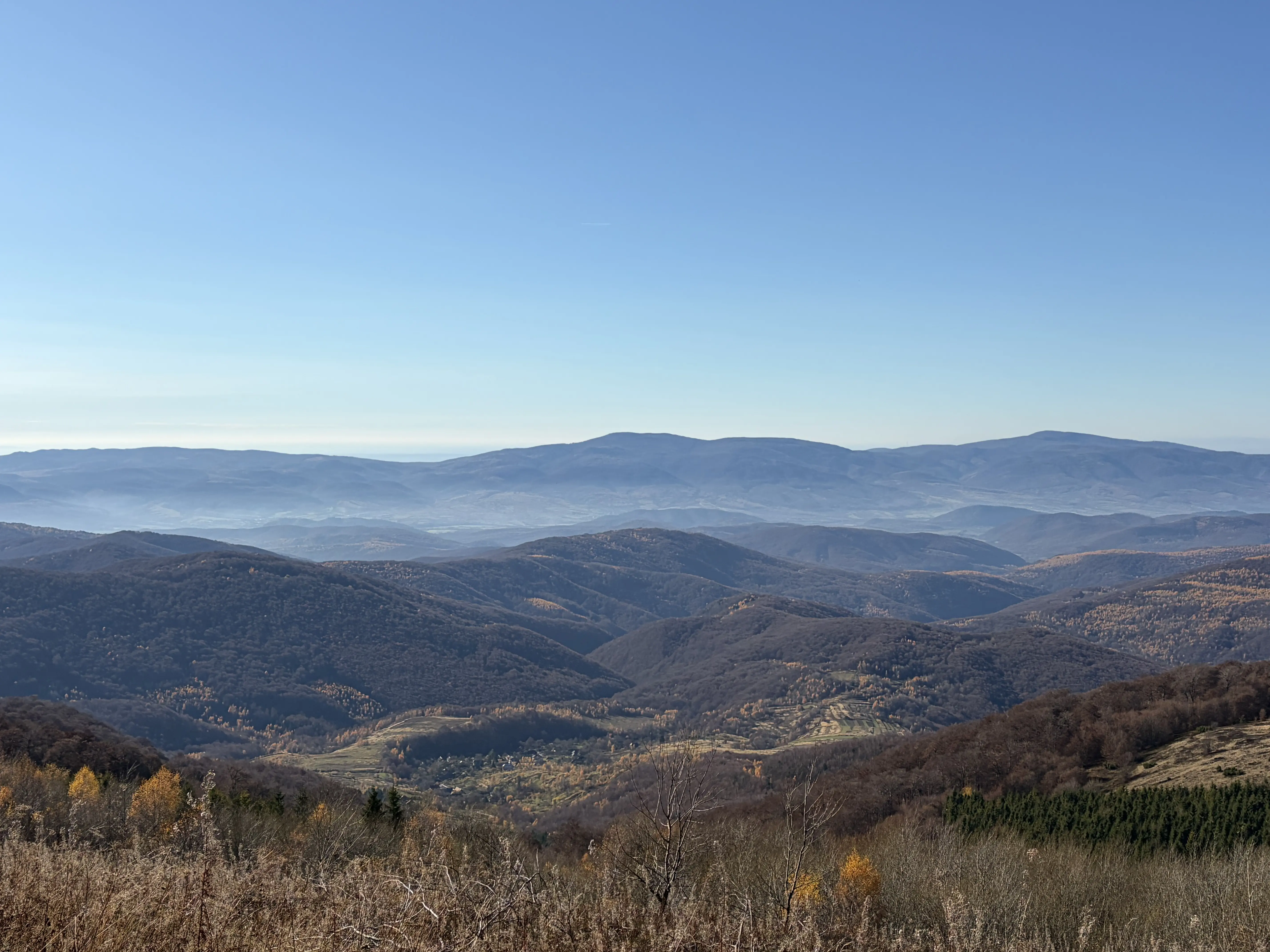
Second, the assertion that Runa polonyna is not a primary wilderness area due to the former presence of a military facility is legally untenable. Historical anthropogenic impact does not deprive a territory of conservation value. Most Carpathian ecosystems have experienced human influence but remain valuable natural complexes.
Third, the statement that no forest felling is planned within the EIA procedure fails to account for cumulative infrastructure impacts. Wind power plant construction is impossible without access roads, transmission lines, installation platforms, and earthworks. Considering these elements outside the project contradicts the principle of comprehensive environmental impact assessment.
The Ministry has effectively confirmed the application of phased project fragmentation practices, as foundation construction began before the completion of court proceedings and before obtaining the final EIA conclusion, creating a situation of de facto irreversibility of construction. In international EIA practice, such actions are regarded as circumvention of environmental procedures.
Arguments concerning energy expediency cannot override environmental safety requirements. The introduction of martial law does not abolish the constitutional duty of the state to ensure environmental protection, as natural heritage is a non-renewable resource.
Positive EIA Conclusion No. 8343 legitimizes the placement of industrial facilities in close proximity to valuable natural areas of the Ukrainian Carpathians, setting a dangerous precedent for further development of high-mountain territories.
Vasyl Havryliuk, an expert on forestry practices in Ukraine, emphasizes:
“The proximity of wind power plants to adjacent protected areas creates biodiversity risks: bird and bat mortality, noise pressure, fragmentation of migration routes, landscape alteration, and potential impact on the local microclimate.”
Such an approach contradicts the principles of sustainable development and Ukraine’s international environmental obligations. Without revising the decision, there is a risk of irreversible destruction of the unique ecosystems of the Ukrainian Carpathians.
The ForestCom team aligns with the broader environmental community’s position regarding wind power plant construction on the polonyna. Our assessment is based, in particular, on previous monitoring of wind power plant construction in the Carpathian region, where LIiS experts documented several problematic aspects.
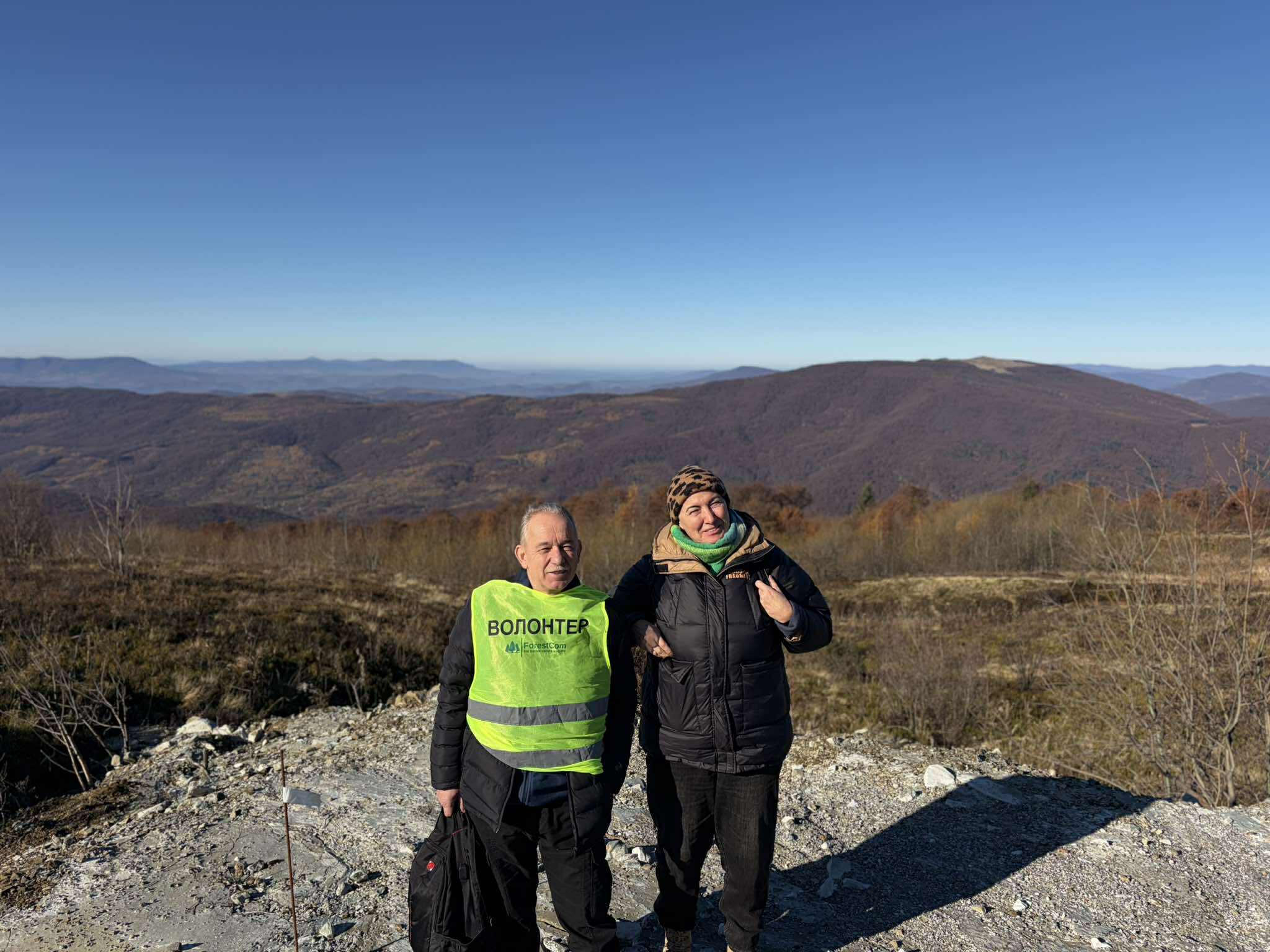
In the Nyzhni Vorota community, wind turbines were installed directly along the boundary of Emerald Network territories and at a distance of only 30–40 meters from the National Nature Park “Boikivshchyna.”
Lawyer Natalia Kaplia highlights previous unsuccessful attempts to grant Runa polonyna conservation status:
“Despite scientific research on a primeval forest area conducted since 2018, the formal designation of Runa polonyna as a primeval forest natural monument has not been completed. Moreover, construction work has already been carried out and a forest road has been laid, which undeniably exerts anthropogenic impact on old-growth stands.”
The issue lies in the Methodology for Determining the Eligibility of Territories as Primeval Forest Natural Monuments, which contains gaps regarding clear classification criteria. There are no defined timeframes for designation, nor requirements for interim reservation status. Such safeguards are necessary to prevent the destruction of valuable natural areas before decisions are adopted on establishing protected territories and allocating the necessary funding.
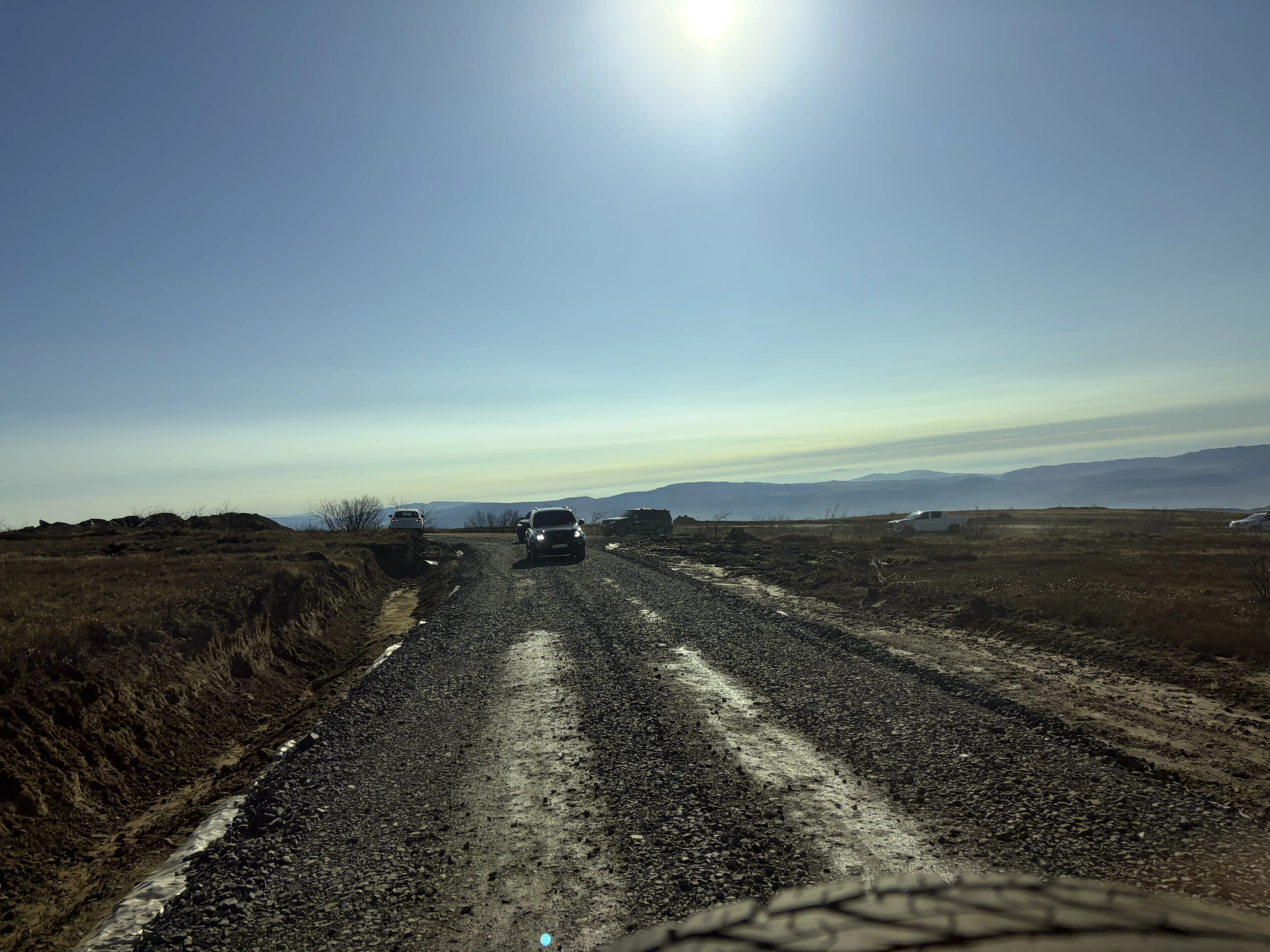
In other words, the process of identifying and establishing primeval forest natural monuments must be regulated and accelerated, as these shortcomings create loopholes for deliberately delaying critically important decisions — including granting protective status to Runa polonyna that would definitively prevent wind power plant construction. Only clear restrictions and legal rules can properly regulate wind power plant placement.
The publication is produced by NGO «ForestCom» with the support of the Askold and Dir Fund as a part of the Strong Civil Society of Ukraine – a Driver towards Reforms and Democracy project, implemented by ISAR Ednannia, funded by Norway and Sweden. The contents of this publication are the sole responsibility of NGO «ForestCom» and can in no way be taken to reflect the views of the Government of Norway, the Government of Sweden and ISAR Ednannia.