
- Головна/
- Publications/
- Key Updates on EU Timber Regulation Implementation and Deforestation-Free Commodities
Key Updates on EU Timber Regulation Implementation and Deforestation-Free Commodities
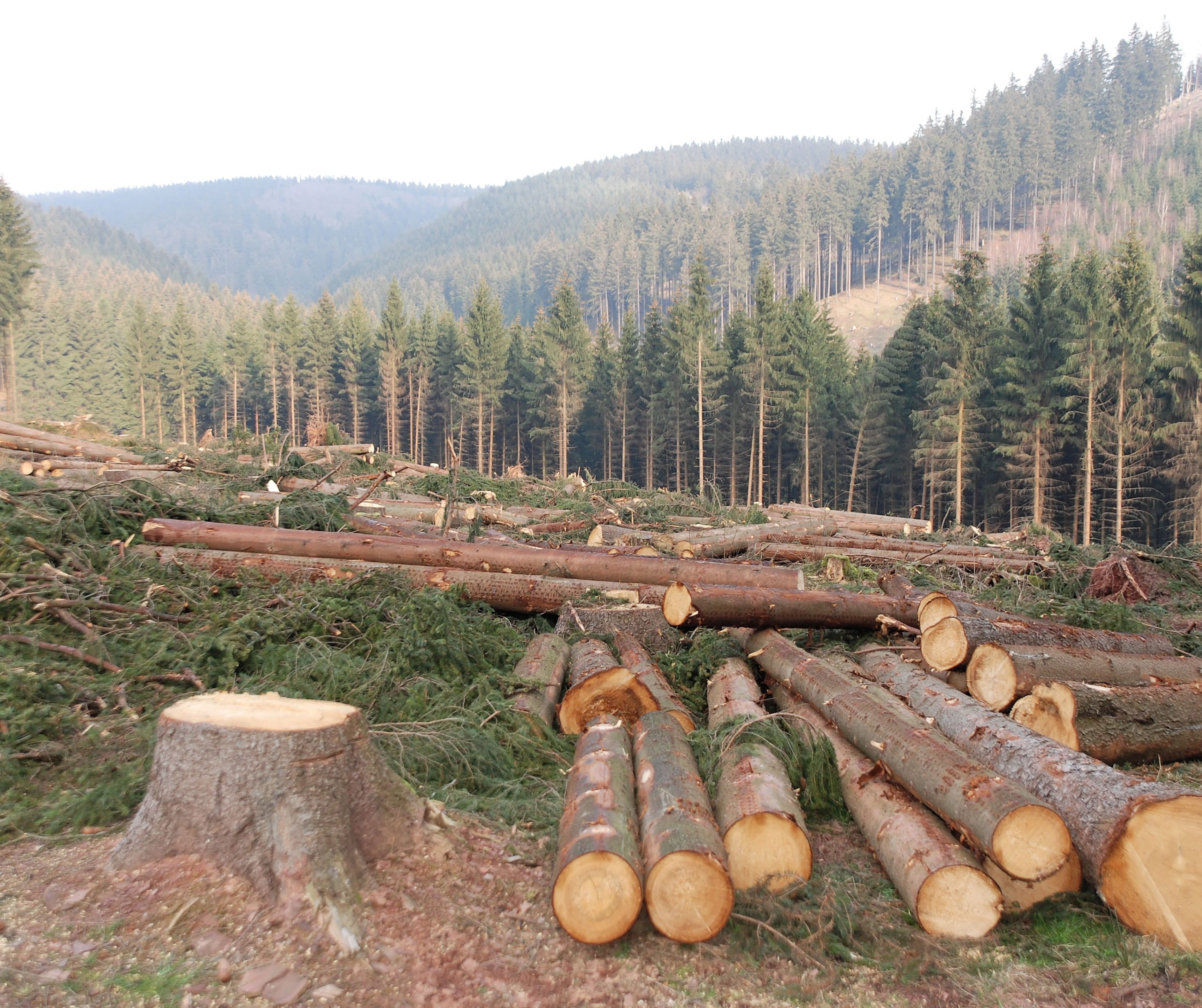
This publication provides a summary of important developments regarding the implementation and enforcement of the EU Timber Regulation (EUTR) and the sourcing of commodities that are free from deforestation. These updates highlight existing practices in responsible management of timber resources that contribute to the protection of forests worldwide and lead to the development of Regulation on deforestation-free products (EUDR).
EU Timber Regulation (EUTR) was replaced by Regulation on deforestation-free products (EUDR) on June 29, 2023.
The regulation applies to imported and domestic timber and products, including solid wood products, flooring, plywood, pulp, and paper but excludes recycled and printed paper products.
Main goals include: stop deforestation of forested land as on 01.01.2022, prohibit the sale of illegal timber, enforce due diligence,
and record supplier and customer info, including logging places.
Due diligence includes access to information, risk assessment, and risk mitigation. Member States report annually, and monitoring organizations provide support. Numerous studies and guidance documents are available.
EU Timber Regulation (EUTR) Developments:
1. Strengthened Enforcement: Measures have been taken to improve the enforcement of the EUTR. This includes better coordination among authorities responsible for implementing the regulation and increased cooperation with customs authorities to prevent illegal timber from entering the EU market.
2. Guidance and Support: The European Commission has issued updated guidance documents to assist businesses in complying with the EUTR requirements. These guidelines provide clear instructions on how to establish effective due diligence systems and ensure legal timber sourcing.
3. Reporting and Monitoring: Member States are now required to submit annual reports on their implementation of the EUTR. This enables the European Commission to evaluate the regulation's effectiveness in curbing illegal timber trade and identify areas for improvement.
4. Country Overviews: Detailed overviews of timber source countries have been prepared by UNEP-WCMC. These overviews provide valuable information on the management of forests, relevant legislation, and potential risks of illegal timber trade. Competent Authorities and businesses can use this information to assess the risk level associated with timber imports and facilitate their due diligence process.
Sourcing of Deforestation-Free Commodities:
1. Commitments and Certification: Many companies have made commitments to source commodities, such as timber, palm oil, soy, and beef, without contributing to deforestation. Certification schemes like the Forest Stewardship Council (FSC) and the Roundtable on Sustainable Palm Oil (RSPO) help verify and promote responsible sourcing practices.
2. Supply Chain Transparency: Efforts are being made to increase transparency within commodity supply chains. This includes providing clearer information on the origin of products and ensuring traceability throughout the supply chain. Improved transparency empowers consumers and businesses to make informed choices that support deforestation-free commodities.
3. Collective Initiatives: Several multi-stakeholder partnerships, sustainability platforms, and industry collaborations have emerged to address deforestation and promote sustainable commodity production. By joining forces, these initiatives work towards broader systemic changes and encourage responsible sourcing practices across industries.
4. Policy Measures: Governments and international bodies are implementing policies to combat deforestation. These measures may include legislation, import requirements, and agreements that promote sustainable commodity trade. Such actions help create a supportive policy environment and encourage responsible practices in the global market. In this line, EU has developed its Regulation on deforestation-free products (EUDR) which is explained in more detail in the next publication.
#forestpolicy